By Dr. Amy Jensen, PT, DPT, OCS
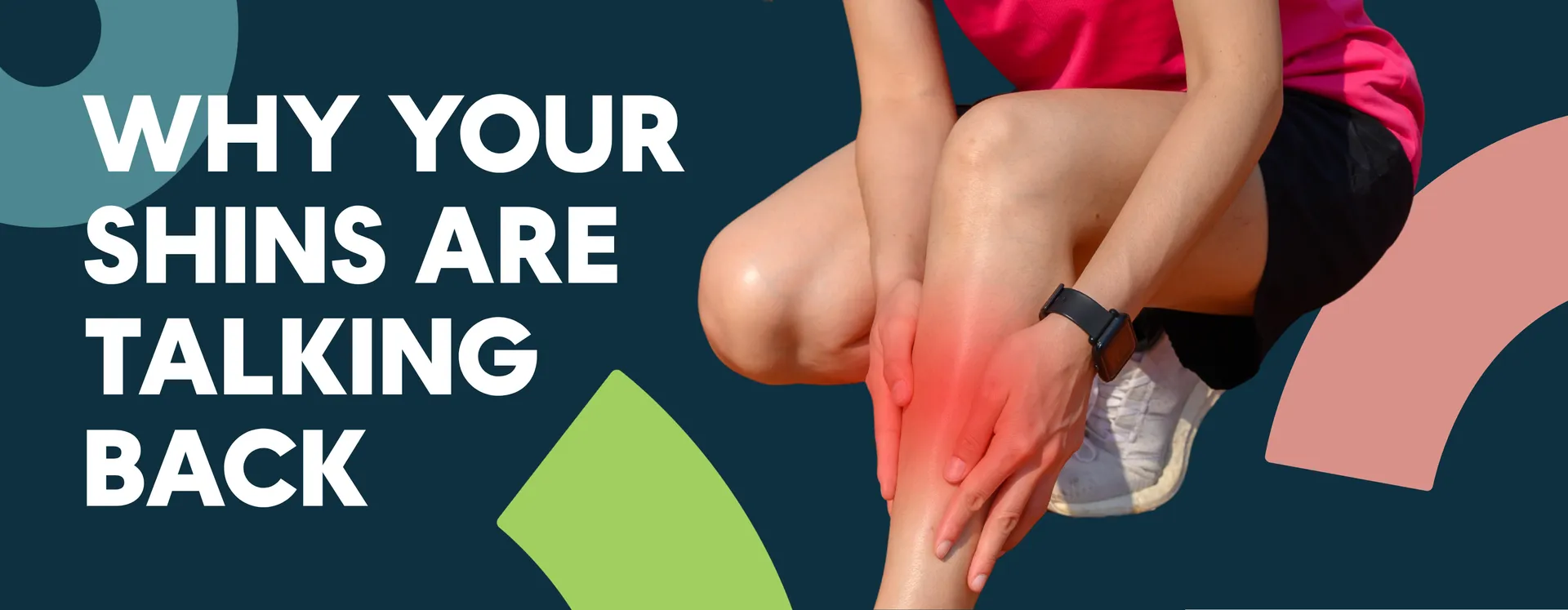
Whether you’re a newbie jogger, a weekend warrior, or a seasoned marathoner, you or someone you know has likely felt it: that nagging, aching throb along the front of your leg. Out on the street most people call this “shin splints” but in the clinic, we call this Medial Tibial Stress Syndrome (MTSS). Whatever name you give it, one thing is certain-it’s your body’s way of saying, "Hey, we need to talk."
What’s Actually Happening Down There?
MTSS is essentially an "overload" injury of the lower leg. While the pain can feel like it’s everywhere, it usually sets up camp along the inner border of your shin, specifically in a 5cm (2-inch) "hot zone" on the middle to lower half of the bone.
- The "Warm-Up" Trap: Early on, shin splints are sneaky. The pain often starts when you begin your run, but then "disappears" once you’ve warmed up. Don't be fooled! As the condition gets grumpier, that pain will start sticking around for the whole run-and eventually, it’ll follow you home and ruin your post-run recovery.
The Science
While the diagnosis of shin splints, or MTSS, can seem cut-and-dry, the actual source of symptoms is often debated. Some schools of thought believe pain is generated when the musculature of your lower leg “tugs” on the bone. More recent research, however, suggests it isn’t just the bone or the muscle; rather, it stems from applying too much load too quickly without enough recovery time-a concept known as Load-Induced Medial-Leg Pain (LIMP).
- The Big Takeaway: Having MTSS does not necessarily mean you have a bone stress injury. It simply means the physical stress on your lower leg is currently exceeding your body’s ability to recover and adapt.
The "Goldilocks" of Training: Load Management
Most shin splints aren't caused by "bad form"-they’re caused by training math errors.
- The ACWR (Acute:Chronic Workload Ratio): This is a fancy way of saying: How much did you do this week compared to the last month? If you suddenly double your workload, your shins are going to revolt.
- The "10% Long Run" Rule: Research shows it’s not just your total miles-it’s the jump in your longest run. If your longest run of the week increases by more than 10% compared to your previous long run, your risk for MTSS skyrockets.
The "Low-Hanging Fruit"
Start with the fundamentals-your body’s natural shock-absorbers and load distributors:
- Ankle Mobility: Can your ankle bend deeply to absorb impact? If your ankle is stiff, the energy from every foot strike isn't absorbed by the joints; instead, it passes directly into the soft tissues and bone of the shin.
- Calf Strength: Can you do 25+ single-leg calf raises without shaking? Your calf muscles act like a biological sleeve for your shin bone. When they are strong, they "hug" the bone and absorb a massive amount of the vibration and load from running.
- Foot Control: Are you able to control your arch during jumping and running? If your foot collapses inward every time you land (excessive pronation), it creates a "twisting" load. While the bone is strong, the soft tissues along the inner shin can only handle so much of this repetitive tugging before they signal discomfort.
- Hip & Knee Control: Your glutes and quads are the "shock absorbers" for the entire leg. If these muscles are weak or fatigue quickly, your landing becomes "heavy," forcing the smaller tissues in your lower leg to work overtime to keep you stable.
Where Shoes Can Help
While footwear isn’t the root cause of shin splints, the right shoe can help manage impact and loading.
Recommended options:
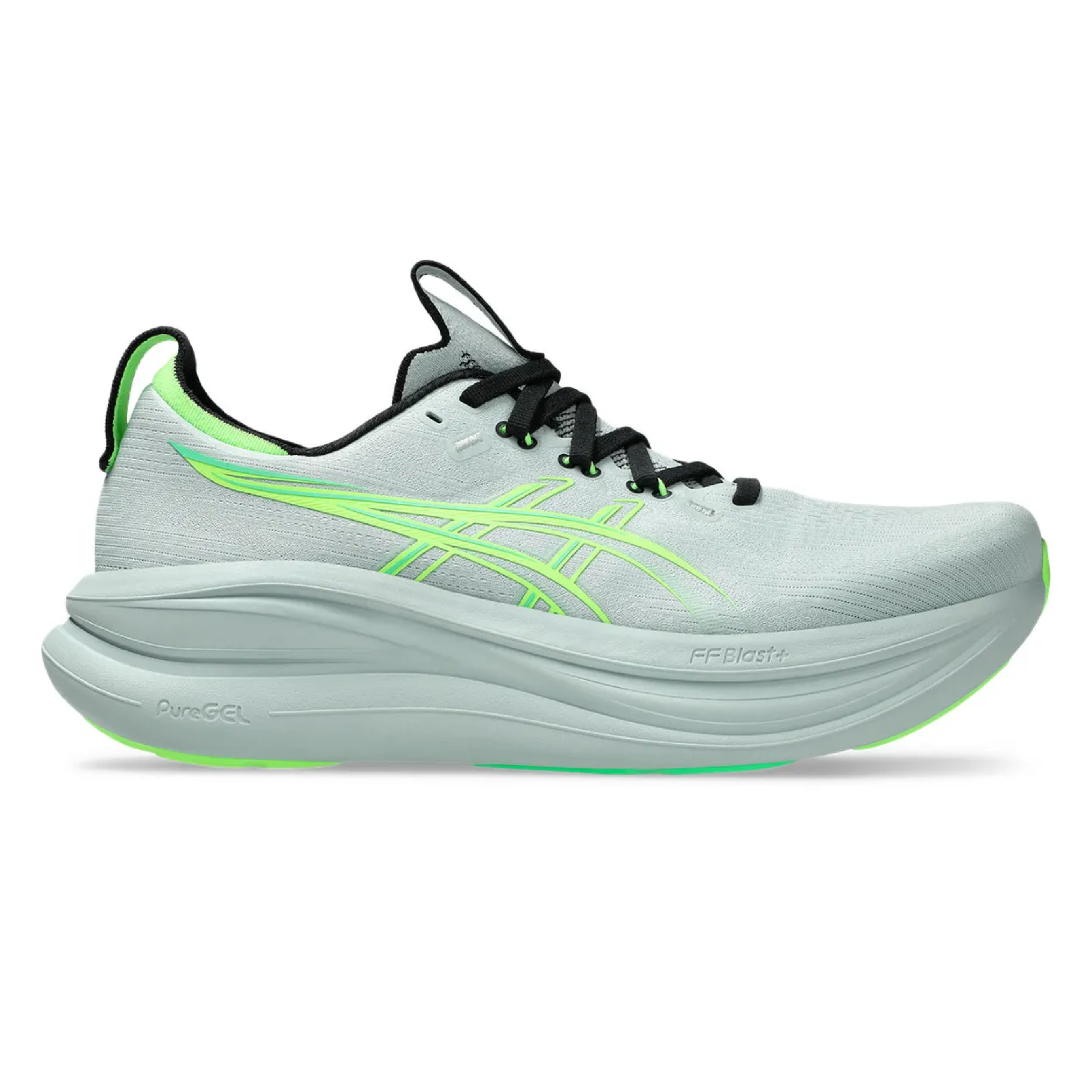
- ASICS Gel-Nimbus: Plush, max-cushion daily trainer for runners who want soft impact protection
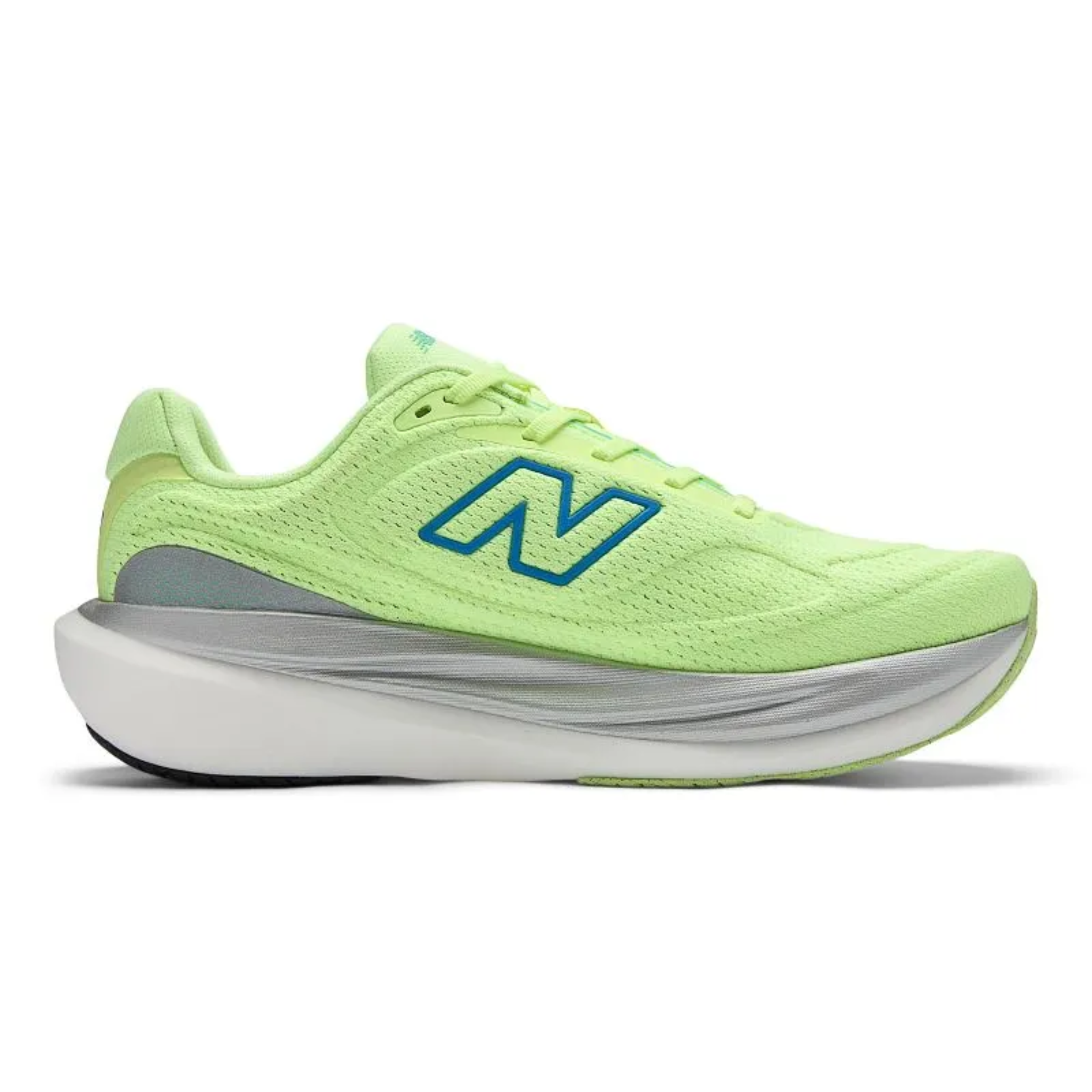
- New Balance 1080: Balanced cushioning with a smooth ride that works for a wide range of runners
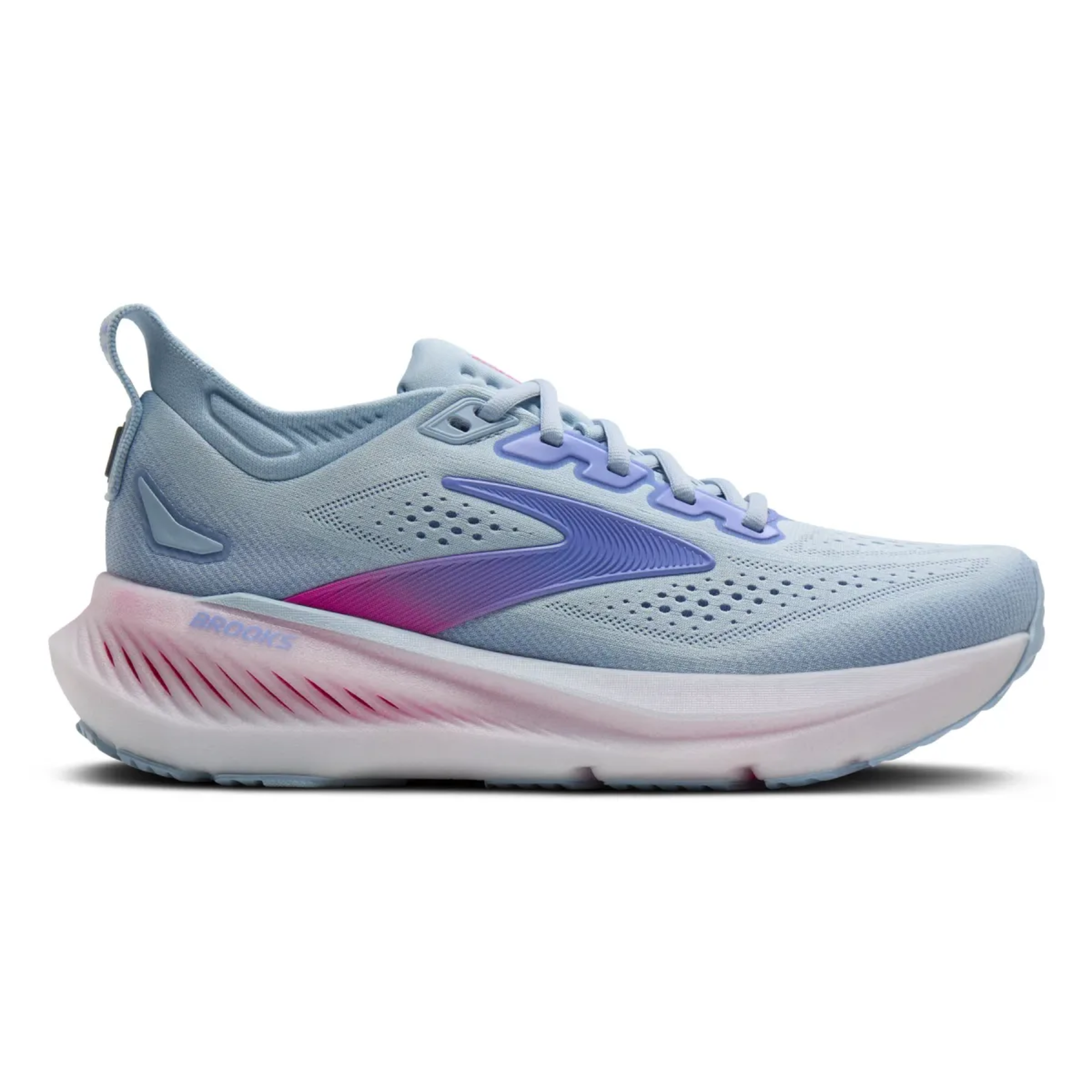
- Brooks Glycerin: (or GTS for added support): Soft, stable feel with the GTS offering extra guidance for pronation
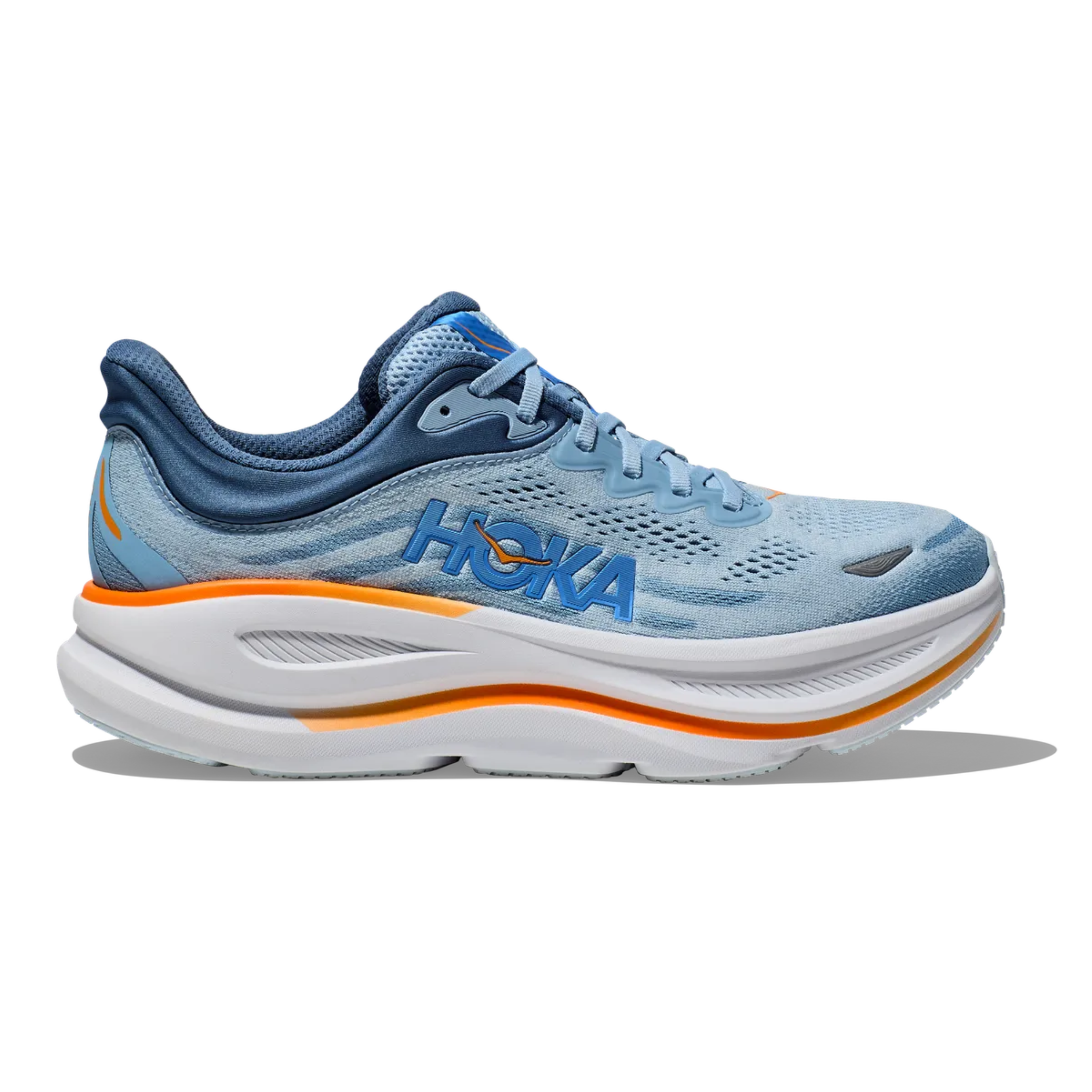
- HOKA Bondi: Uultra-max cushion for reducing repetitive impact
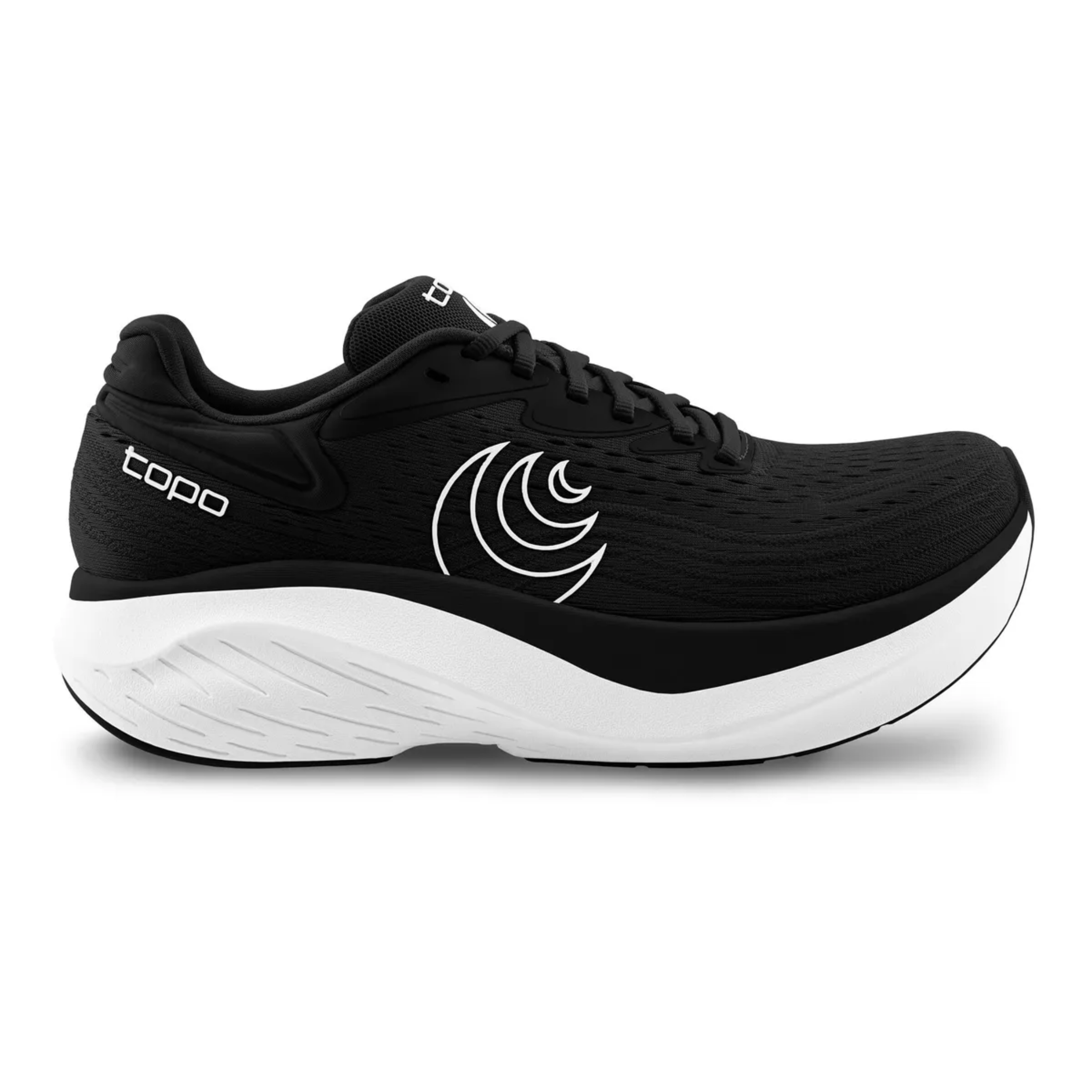
- Topo Atmos: Natural foot-shaped fit with balanced cushioning for comfortable, low-impact miles
The Game Plan: How to Heal:
You don’t have to sit on the couch and watch your fitness disappear. We just need to negotiate a better "contract" for your legs:
- Rest: Give your shins a break. Depending on your specific situation, this could mean a full pause on running or a 30-40% reduction in volume. The right approach depends on how long the pain has been hanging around and how irritable your tissues are. This allows your body to catch up and adapt safely.
- Cross-Train Like a Pro: Use the bike, the rower, or the pool to keep your "cardio engine" (VO2 max) high. This allows you to train hard without the impact.
- Gradual Reintroduction: Use a progressive and gradually structured "Return to Run" program-a slow, evidence-based build-up that proves to your brain and your shins that it is safe to increase the intensity again.
When to Call in a Professional
While many cases of MTSS can be managed with smart training adjustments, sometimes you need an expert to help negotiate the contract between your goals and your body.
Seek a professional evaluation if you notice:
- The "One-Finger" Rule: Discomfort that becomes very localized (you can point to one exact spot on the bone that is sensitive to touch).
- Neural Feedback: Coldness, swelling, numbness, tingling, or a foot that feels like it’s "falling asleep" during or after a run.
- Stalled Progress: You’ve modified your training and focused on the "low-hanging fruit" for 2-3 weeks, but the shins are still talking back.
Running with Confidence
Shin splints don’t have to be a permanent roadblock or a reason to fear the pavement. By understanding that MTSS is simply a signal about tissue capacity and loading, you can take the driver's seat in your recovery.
Address your mobility, build a robust "sleeve" of calf and foot strength, and manage your "training math" with the 10% rule. Remember: your legs are sending you messages. When you listen and respond thoughtfully, you aren't just "fixing an injury"-you’re building a more resilient, "bulletproof" version of yourself.
Give your tissues the care they need today, and they’ll carry you through many more miles tomorrow.